
Pavement Protected From Seasonal Breakdown
Blacktop Sealing in Eau Claire for asphalt driveways and parking areas exposed to traffic and weather
Asphalt in the Chippewa Valley faces continuous exposure to ultraviolet radiation, precipitation, temperature swings, and vehicle traffic that gradually break down the binder holding aggregate together. Redman Sealcoating LLC applies blacktop sealing to driveways and parking surfaces in Eau Claire when pavement shows fading, minor surface cracks, or a gray, oxidized appearance. You notice this deterioration as the asphalt loses its dark color and begins to feel rougher under foot traffic, signaling that the surface layer no longer provides adequate protection.
Sealing creates a protective barrier over the asphalt surface, shielding the pavement from water penetration, oil stains, and UV damage while restoring a uniform black finish. The process involves cleaning the surface thoroughly, filling small cracks if needed, then applying a coal tar or asphalt emulsion sealant that cures into a durable coating. This layer slows the oxidation process and limits how quickly moisture works into the pavement base during Wisconsin's wet springs and freeze-thaw cycles.
Arrange a pavement evaluation to determine whether your blacktop is ready for sealing or requires repair work first.
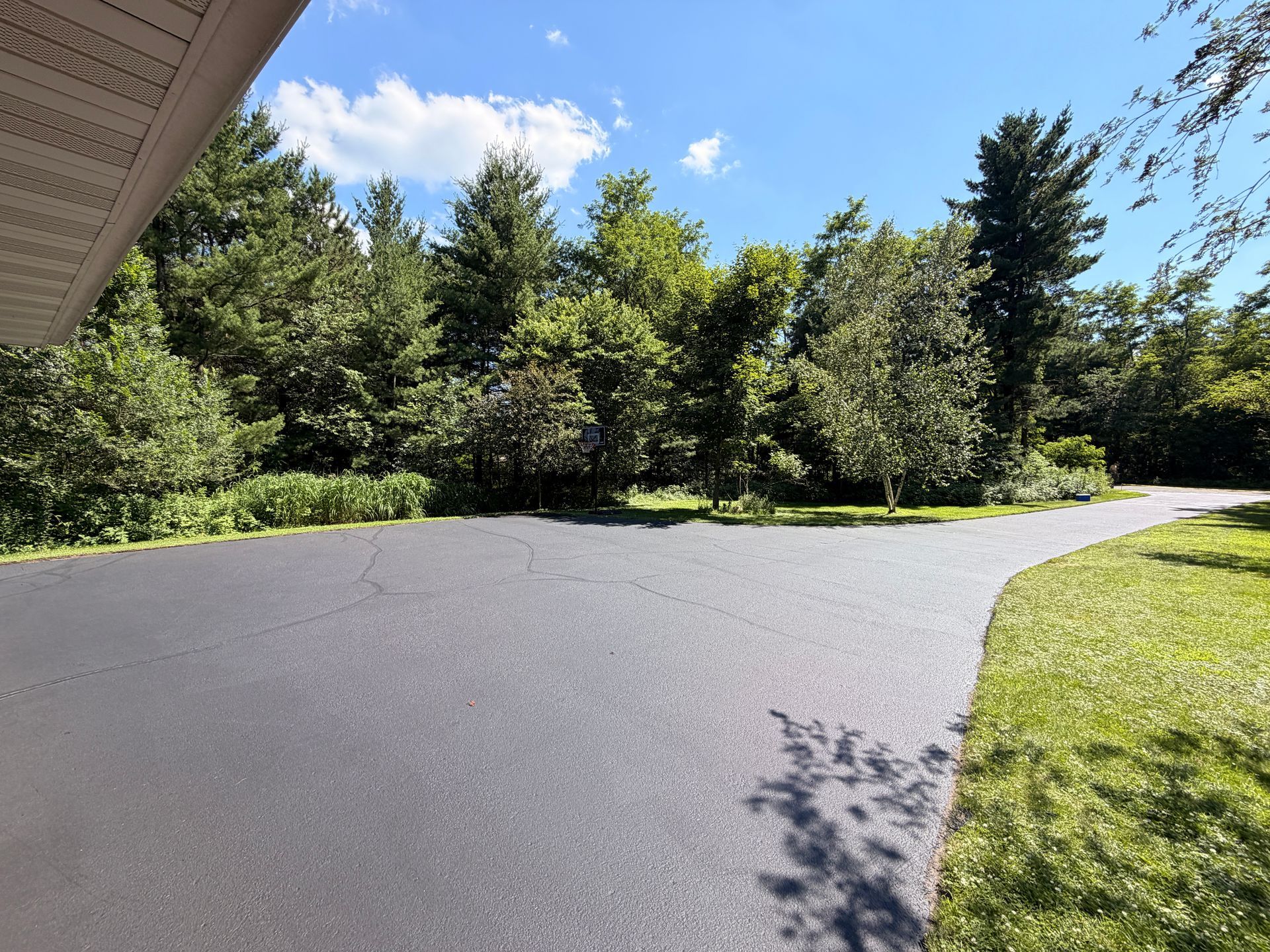
What You Notice Once Sealing Is Finished
Surface preparation controls how well the sealant bonds and how long the coating lasts. The pavement must be swept clean of dirt, debris, vegetation, and loose aggregate, then dried completely before sealing begins. Oil stains and areas with significant deterioration are addressed separately, since sealant will not adhere to contaminated surfaces or repair structural damage.
After the sealant cures, the asphalt appears uniformly black and smooth rather than patchy and gray. Water beads on the surface and runs off instead of soaking into the pavement, which reduces how much moisture reaches the base layer where freeze damage occurs. The coating fills minor surface voids and creates a more even texture, making the driveway or parking area easier to sweep and less prone to staining from vehicle fluids.
Sealing maintains pavement that remains structurally sound but does not fill deep cracks, repair potholes, or address base failure. Surfaces with widespread alligatoring, sunken areas, or edge crumbling require patching or resurfacing before sealing provides any long-term benefit. The service extends the functional life of asphalt in good condition but cannot reverse structural breakdown.
Answers to Frequent Service Questions
Blacktop sealing involves specific preparation and timing considerations. Here's what customers in the Chippewa Valley ask before scheduling this service.
How long does sealed blacktop take to cure?
Most sealants require twenty-four to forty-eight hours before light foot traffic and seventy-two hours before vehicle use. Cure time depends on air temperature, humidity, and sunlight exposure. Cooler, damp conditions in Eau Claire can extend drying time, so scheduling during dry, warm weather produces the best results.
What keeps sealing from lasting?
Sealant wears down from vehicle traffic, UV exposure, snow removal equipment, and chemical deicers. High-traffic areas near garage aprons or turning zones show wear faster than sections with lighter use. Resealing every two to three years maintains protection as the coating gradually thins.
When is asphalt too damaged to seal?
Sealing works on pavement with minor surface wear but not on asphalt with deep cracks wider than a quarter inch, potholes, extensive crumbling, or areas where the base has failed and the surface has sunk. These conditions require patching, resurfacing, or full replacement before sealing provides any value.
Why does some blacktop look better after sealing than others?
Surface condition before sealing determines the final appearance. Smooth, well-maintained pavement with only minor oxidation shows a uniform finish after coating. Rough, heavily weathered asphalt may still show texture variations and imperfections even after sealing restores the color.
What preparation does blacktop sealing require from property owners?
Vehicles, equipment, and loose items must be moved off the pavement before work begins. Edges should be trimmed of grass and vegetation that overhangs the asphalt. Oil stains benefit from degreasing treatment before sealing, and any planned crack filling should be mentioned during the evaluation.
Redman Sealcoating LLC inspects your asphalt to confirm it is suitable for sealing and identifies any repair needs before scheduling the application. Contact the company at (715) 563-4219 to review your pavement's condition and discuss timing for this maintenance service.