
Preserving Decorative Concrete Through Weather Cycles
Stamped Concrete Sealing in Eau Claire for patios and walkways exposed to moisture, freeze-thaw cycles, and surface wear
Wisconsin weather accelerates wear on decorative concrete surfaces, particularly where freeze-thaw cycles drive moisture into the stamped texture. Stamped concrete sealing creates a protective barrier over the patterned surface, limiting water penetration and reducing staining from organic debris, dirt, and chemical exposure. Redman Sealcoating LLC applies sealants to properly prepared stamped surfaces throughout Eau Claire, addressing patios, walkways, and other decorative applications where the finished appearance and structural integrity both require protection. Without sealing, moisture infiltrates the textured surface, and repeated freezing causes the concrete to flake and erode at a faster rate than sealed installations.
The sealing process involves cleaning the stamped surface to remove contaminants, allowing the concrete to dry completely, and applying a sealant formulated for decorative concrete. The sealant penetrates the surface texture and forms a moisture-resistant layer that also resists staining and surface abrasion. Application must cover the entire patterned area evenly, including recessed sections of the stamped design where water and debris tend to accumulate.
Schedule an assessment of your stamped concrete to evaluate surface condition and determine the appropriate sealing approach.
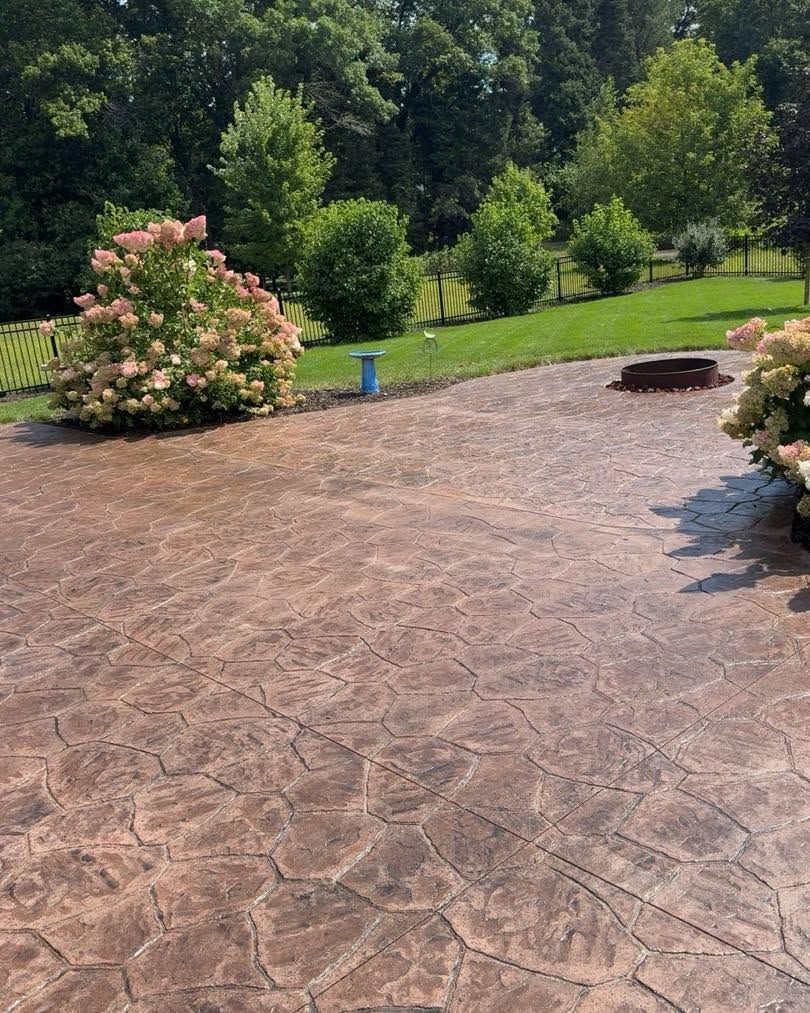
How Sealing Supports the Finished Appearance
Sealant application requires the stamped surface to be fully cured, clean, and dry before the protective layer is applied. Surface preparation removes dirt, mold, efflorescence, and previous sealant residue that would prevent proper bonding. Even coverage across the textured pattern ensures consistent protection rather than areas where moisture can still penetrate and cause damage.
After sealing, the stamped pattern retains its definition and color intensity longer than untreated surfaces, and stains from leaves, dirt, or spills wipe away more easily during routine cleaning. The sealed surface sheds water rather than absorbing it, which reduces the freeze-thaw damage that causes surface spalling and texture loss over Wisconsin winters. The decorative appearance remains clearer, and the concrete itself experiences slower deterioration from weather exposure and foot traffic.
Sealing does not prevent all wear or eliminate the need for periodic maintenance. High-traffic zones will eventually show wear patterns, and the sealant itself requires reapplication as it degrades from UV exposure, foot traffic, and seasonal temperature fluctuations. The interval between resealing depends on traffic levels, exposure conditions, and the specific sealant product used during application.
Answers to Frequent Service Questions
Property owners with decorative concrete often have specific concerns about protecting their investment and maintaining appearance over time.
Why does stamped concrete need sealing?
The textured surface has more exposed area than flat concrete, creating additional pathways for moisture infiltration, and the decorative finish is more vulnerable to staining and color fading without a protective barrier.
How often should stamped concrete be resealed in Eau Claire?
Resealing frequency depends on exposure, traffic, and the sealant used, but most decorative concrete surfaces benefit from resealing every two to three years to maintain continuous moisture protection and appearance.
What preparation does the surface require before sealing?
The stamped concrete must be cleaned of all dirt, organic growth, stains, and old sealant, then allowed to dry completely so the new sealant bonds properly across the entire textured surface.
Does sealing change the appearance of stamped concrete?
Most sealants add a slight sheen that enhances color depth and pattern definition, though the degree of gloss varies by product, with options ranging from matte to high-gloss finishes.
What happens if sealing is delayed too long?
Unsealed or under-sealed stamped concrete absorbs moisture that accelerates surface erosion, pattern degradation, and color fading, particularly in areas exposed to freeze-thaw cycles and direct weather.
Redman Sealcoating LLC inspects stamped surfaces, discusses exposure and use conditions, and recommends sealing schedules based on the current state of the concrete and the level of protection required. Contact the team to arrange an evaluation and receive a detailed sealing estimate tailored to your decorative concrete installation.